SafeCare BC Logo
SafeCare BC Logo
Programs & Services

Programs and Services

View All
We are dedicated to providing comprehensive occupational health and safety (OHS) consulting services tailored to your needs.
View Service
Psychological health and safety, often called workplace mental health, encompasses principles and practices to foster a supportive, respectful, and psychologically safe work environment.
View Service
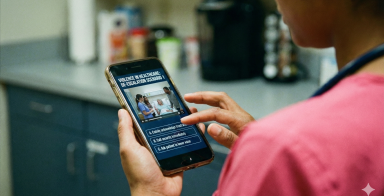
The Provincial Violence Prevention Curriculum is recognized as best-practice in violence prevention training for health care workers.
View Service
Get PSyched! - April 2025

Psychological injuries in the workplace

Psychological injuries in the workplace require as much attention and consideration as physical injuries.

Psychological injuries are mental health conditions that are thought to be caused by potentially traumatic events and other stressors.

Examples include:

  • Trauma
  • Post-Traumatic Stress Disorder (PTSD)
  • Depression
  • Anxiety
  • Grief and loss
  • Burnout

Unlike physical injuries, psychological injuries in the workplace can be difficult to identify and address. They are often invisible and underreported, which can lead to a lack of support and worsening symptoms.

Workplace conditions, such as high stress, workplace violence, bullying, or job insecurity, can contribute to psychological harm. Creating a psychologically safe and healthy work environment is key to preventing and addressing these issues.

Strategies

For employers

  • Educate employees about mental health and train leaders to recognize signs of psychological distress or injury.
  • Provide and promote access to mental health services and supports.
  • Foster open communication about mental health and well-being to reduce stigma.
  • Commit to and implement a psychologically healthy and safe workplace.

For employees

  • Utilize available mental health supports, such as Employee Assistance Programs (EAPs).
  • Practice self-care to support mental well-being.
  • Contribute to a positive workplace culture by promoting psychological health and safety.

Filter

Psychological injuries in the workplace resources

Resource Types

Resource Post Type Filter
  • Posts (32)
  • Safety Topics (31)
  • Webinars (20)
  • Safety Huddles (12)
  • Web links (11)
  • Assorted Resources (5)
  • Presentations (4)
  • Services (4)
  • Info Sheets (3)
  • Infographics (3)
  • Workshops (3)
  • Q&As (2)
  • Templates (2)
  • Videos (2)
  • Checklists (1)
  • Innovations (1)
  • People (1)
  • Posters (1)
  • Workshop Topics (1)

Audiences

Resources Audince Filter
  • All Audiences (95)
  • Managers and Supervisors (12)
  • Assisted and Independent Living (4)
  • All Audiences (2)
  • Home Care and Community Health Support (2)
  • Long-term Care (2)
Post

Brandi Heather on making space for play at Hearts & Hands 

Balance, Boundaries, Burnout, Civility and respect, Clear leadership, Collective Care, Communication, Emotional Intelligence, Empathy, Engagement, Grief, Growth and development, Harassment, Leadership, Mental Health, Moral distress, Organizational culture, Psychological Health and Safety, Resilience, Self-care, Self-talk, Stigma, Stress, Suicide, Trauma, Work-life balance

There’s a strange thing that happens when you become very good at holding everything together. People stop asking if you are okay.  You show up, do the work, care for the people who need you...

Webinar

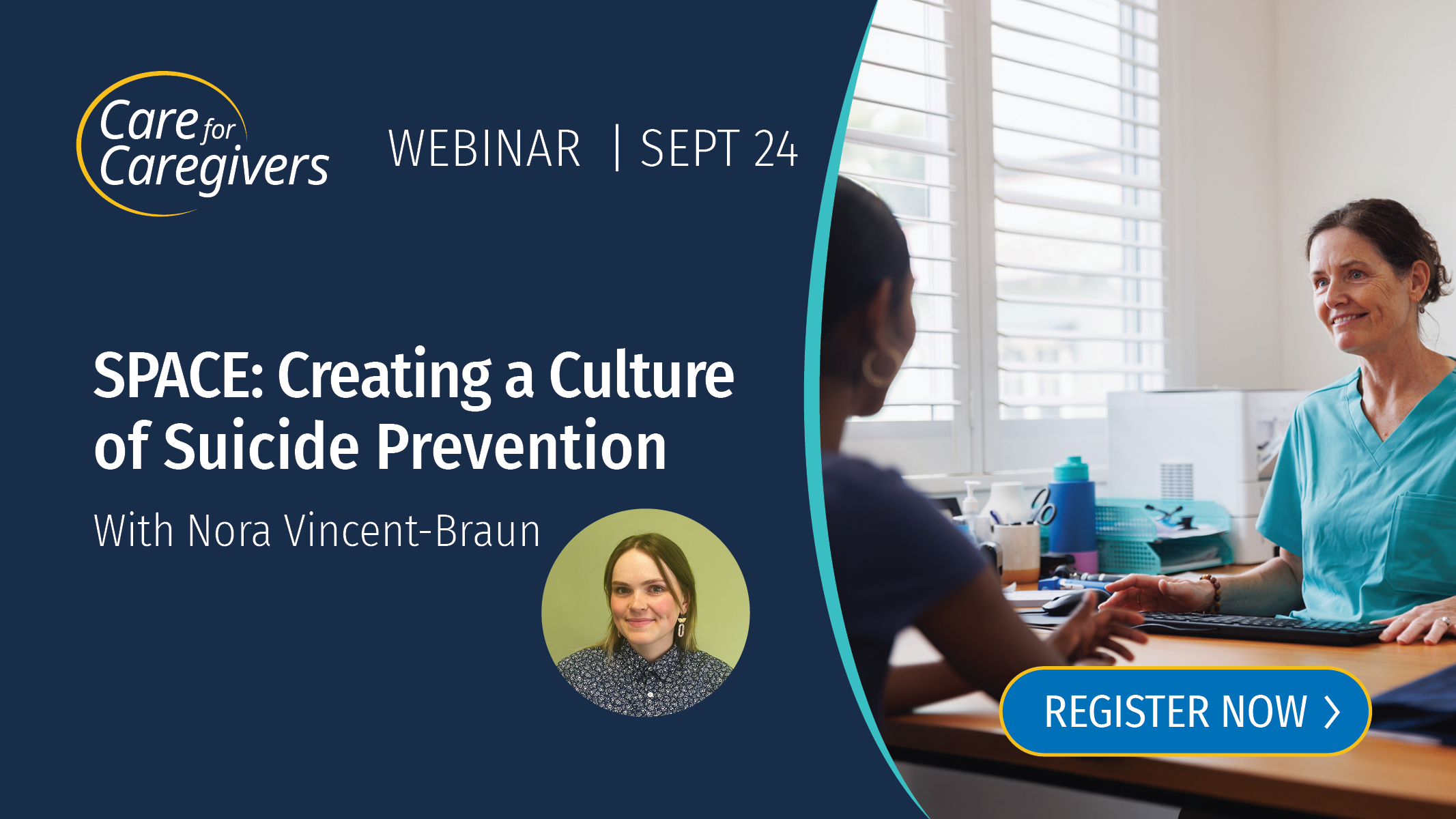
SPACE: Creating a culture of suicide prevention

Suicide

Workplaces can build suicide prevention awareness by challenging common myths, recognizing barriers to prevention, and giving people practical ways to respond supportively. Training can help employees at every level build confidence, use informed language, and...

Webinar

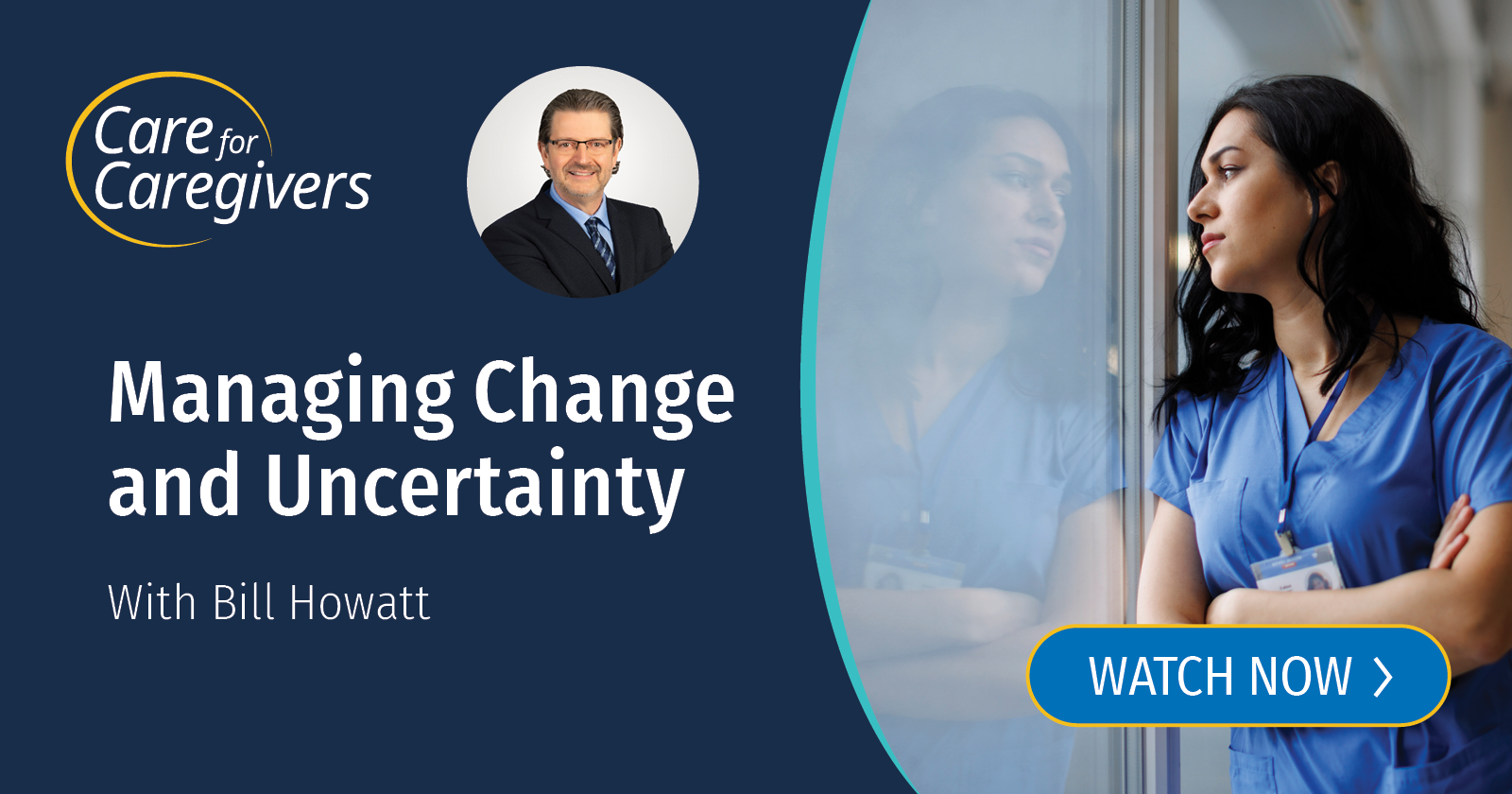
Managing change and uncertainty

Resilience

Discover a practical, down-to-earth approach to understanding how stress builds in real time and what you can do to steady yourself when things feel overwhelming.

SafeCare BC Logo
©2026 SafeCare BC | All rights reserved.
To empower workplaces that provide care to create a culture of safety through evidence-based education, advocacy for safer workplaces, leadership, and collaboration
cross