SafeCare BC Logo
SafeCare BC Logo
Programs & Services

Programs and Services

View All
We are dedicated to providing comprehensive occupational health and safety (OHS) consulting services tailored to your needs.
View Service
Psychological health and safety, often called workplace mental health, encompasses principles and practices to foster a supportive, respectful, and psychologically safe work environment.
View Service
The Provincial Violence Prevention Curriculum is recognized as best-practice in violence prevention training for health care workers.
View Service
Get PSyched! - February 2026

Collective wellbeing

Work is shared. So is the emotional “weather” of your team. Collective wellbeing is shaped by everyday moments, and your actions can help create a workplace where people feel safer, more supported, and more connected.

From me to we: The everyday habits that build a healthier workplace

We do not experience work alone. Our day is shaped by the people around us: how we speak, how we listen, what we notice, and what we ignore.

That shared experience is called collective wellbeing. It is the shared emotional and psychological health of a team or workplace. It is shaped by how people work together, the team's norms, the workplace culture, and shared experiences.

Here is what matters most: collective well-being affects each of us, and each of us can shape it.

Why collective wellbeing matters

One person’s behaviour can ripple through a team, either positively or negatively. A warm greeting can lift the tone of a shift. Taking time to listen can help someone feel supported. A dismissive comment can shut someone down. Small moments add up.

Collective well-being is a shared responsibility. It is not something only leaders create, or only organizations “do.” Each person can make a meaningful difference in the space that affects them every day.

Think of it like a community garden

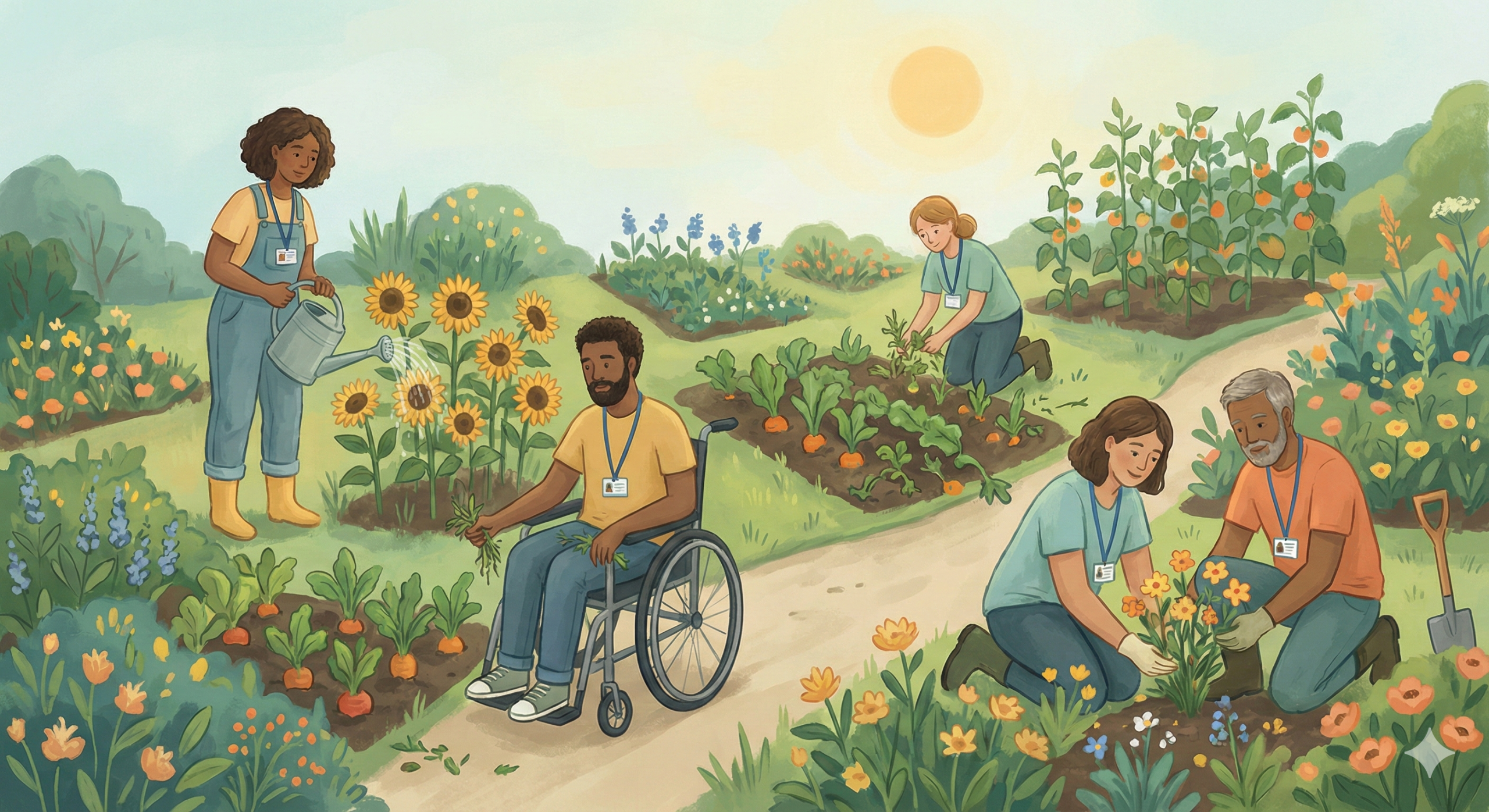
Collective well-being is like a community garden. If each person tends their patch, the garden thrives, and everyone benefits. If patches are neglected, weeds spread, flowers do not bloom, and everyone feels the impact.

Shared spaces need shared care.

A lived practice, not just a policy

Organizations create policies, set expectations, and introduce initiatives. But collective well-being becomes real through everyday choices. It is a lived practice, not just a policy.

Culture is built in ordinary moments:

  • How we respond when someone is stressed
  • Whether we include people who are new or feel isolated
  • Whether we listen or rush past someone
  • Whether we show compassion or judgment towards others

Individual and collective well-being support each other

Individual well-being and collective well-being are connected. Being part of a healthy workplace supports your individual well-being. When individuals are well, they are better able to contribute to a healthy, supportive workplace.

Collective wellbeing does not mean there will never be conflict or hard moments. Those are inevitable. It means there is more support to soften the impact, and the team is better positioned to work through tough times together.

Collective wellbeing is a lived practice, shaped by how we speak, listen, include, and check in with each other, especially when things get hard. 

Example: If a coworker seems unusually quiet, you could check in with: “Hey, I noticed you seem quiet today, how are you doing?” You do not need to fix the problem. You are showing the person they matter.

What will you do today?

What will you do today to support the collective wellbeing of your workplace? Choose one small action and try it today.


Collective wellbeing

Featured Resources

Looking to implement a psychological health and safety policy in your organization? This ready-to-use template helps employers support mental health in the workplace by providing a clear, customizable framework that promotes well-being, prevents psychological harm, and outlines roles and responsibilities across all levels of your organization.
Files Attached
View Template
Resources and services to support your well-being and psychological safety at work.
View Safety Topic
Collective wellbeing

Videos

This webinar provides an overview of the principles of psychological first aid, including what collective care means and how you can help others responsibly.
View Webinar
Join Vikki for an insightful webinar that delves into the nuances of vicarious trauma and burnout, exploring how the spiritual and ethical challenges of our work impact our well-being and our ability to uphold dignity and social justice for our clients. We’ll differentiate Collective Care from traditional self-care, emphasizing the importance of community support in […]
View Webinar
Filter

Collective wellbeing resources

Resource Types

Resource Post Type Filter
  • Posts (32)
  • Safety Topics (31)
  • Webinars (20)
  • Safety Huddles (12)
  • Web links (11)
  • Assorted Resources (5)
  • Presentations (4)
  • Services (4)
  • Info Sheets (3)
  • Infographics (3)
  • Workshops (3)
  • Q&As (2)
  • Templates (2)
  • Videos (2)
  • Checklists (1)
  • Innovations (1)
  • People (1)
  • Posters (1)
  • Workshop Topics (1)

Audiences

Resources Audince Filter
  • All Audiences (95)
  • Managers and Supervisors (12)
  • Assisted and Independent Living (4)
  • All Audiences (2)
  • Home Care and Community Health Support (2)
  • Long-term Care (2)
Post

Brandi Heather on making space for play at Hearts & Hands 

Balance, Boundaries, Burnout, Civility and respect, Clear leadership, Collective Care, Communication, Emotional Intelligence, Empathy, Engagement, Grief, Growth and development, Harassment, Leadership, Mental Health, Moral distress, Organizational culture, Psychological Health and Safety, Resilience, Self-care, Self-talk, Stigma, Stress, Suicide, Trauma, Work-life balance

There’s a strange thing that happens when you become very good at holding everything together. People stop asking if you are okay.  You show up, do the work, care for the people who need you...

Webinar

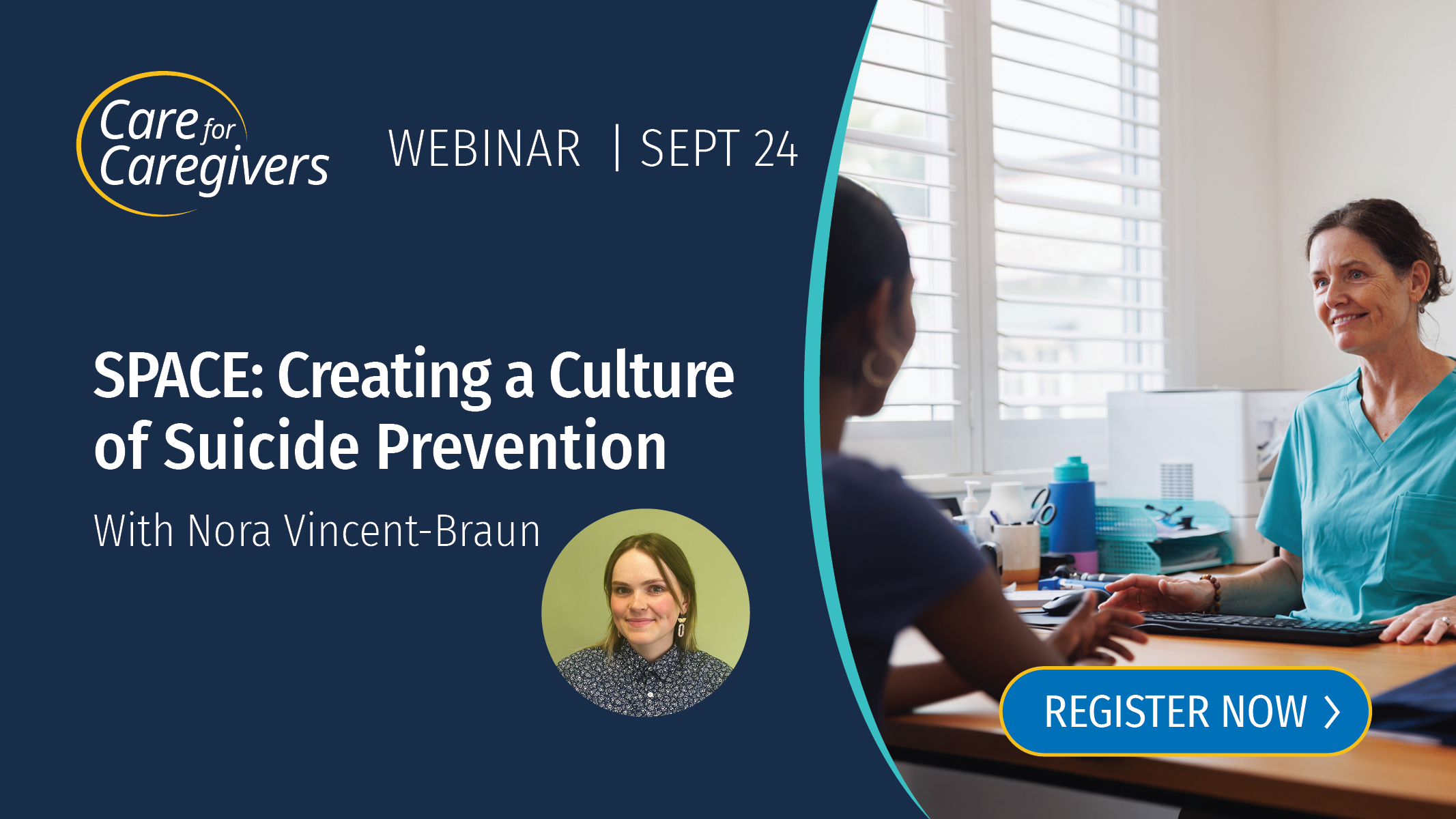
SPACE: Creating a culture of suicide prevention

Suicide

Workplaces can build suicide prevention awareness by challenging common myths, recognizing barriers to prevention, and giving people practical ways to respond supportively. Training can help employees at every level build confidence, use informed language, and...

Webinar

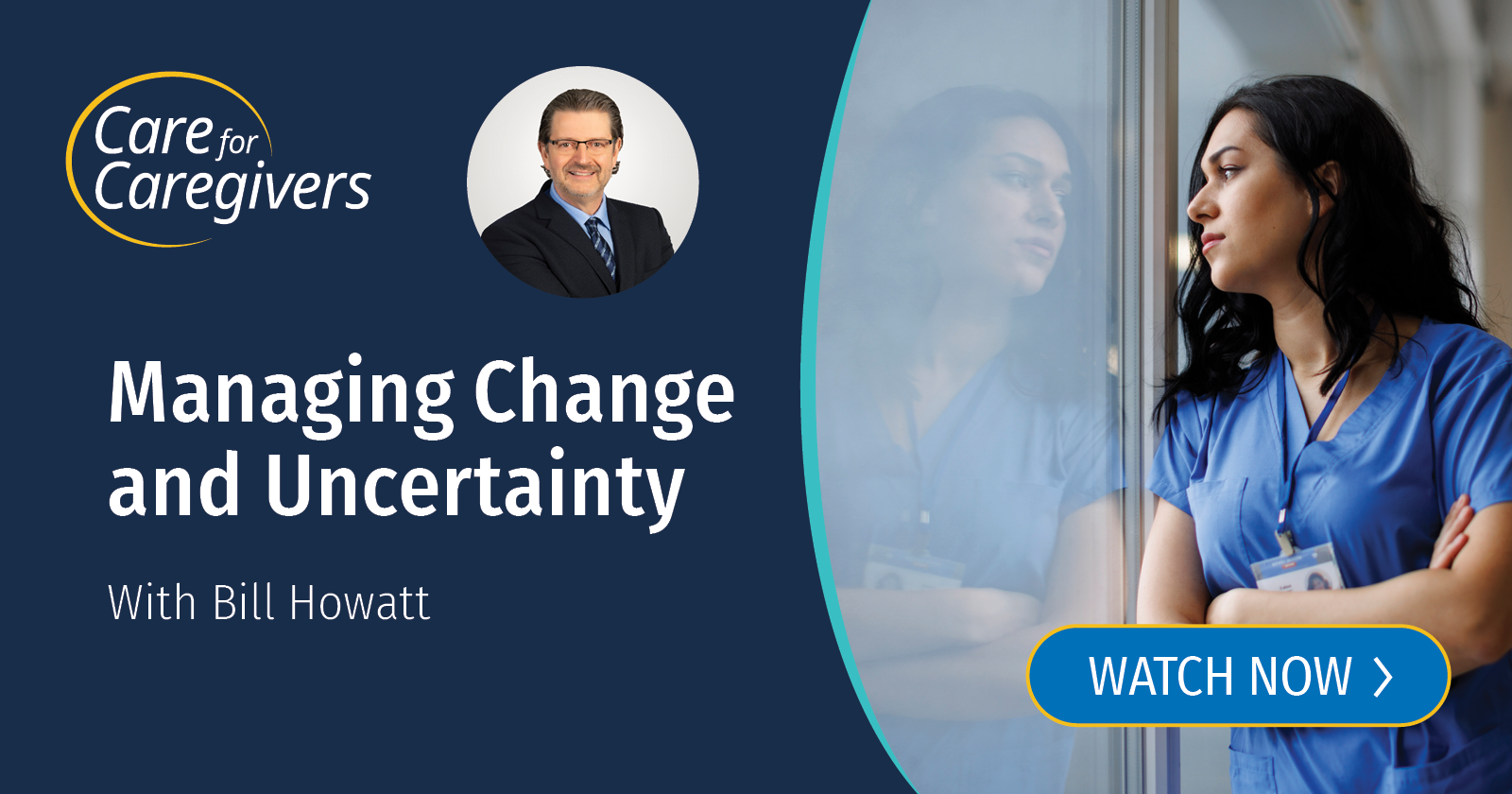
Managing change and uncertainty

Resilience

Discover a practical, down-to-earth approach to understanding how stress builds in real time and what you can do to steady yourself when things feel overwhelming.

SafeCare BC Logo
©2026 SafeCare BC | All rights reserved.
To empower workplaces that provide care to create a culture of safety through evidence-based education, advocacy for safer workplaces, leadership, and collaboration
cross